"In 49 states it's just basketball ... but this is Indiana."
-- Video boards in Conseco Fieldhouse.
INDIANAPOLIS -- That declaration is meant as a rallying cry, a point of pride. These days in the humiliated Hoosier state, it should be viewed as a call to arms.
The state of basketball is lamentable in the state that loves basketball the most. And something needs to be done about it.
The nation's capital of hoops is convulsed in a full-blown, honest-to-Hickory identity crisis. The Final Four, the ultimate celebration of the game, returns to hardwood Mecca for the first time in six years -- and finds the holy land desecrated by bad ideas, bad decisions, bad teams and bad actors. From preps to pros, the franchise sport of Indiana is in lousy shape.
If the Wizard of Westwood has one more magic basketball act in his wand, he should use it to heal his home state. Alas, John Wooden is 95. The Martinsville native and Purdue graduate won't be here for the Final Four.
Perhaps it's a good thing, because Wooden wouldn't like what he would see:
The Prep Tournament
World-famous Indiana high school basketball, the stuff of myth and legend, ruined perfection by switching eight years ago from a single-class state tournament to four classes. The ultimate meritocracy in youth sports has become the ultimate mediocrity. More trophies are awarded; far fewer fans care.
"We had a national heritage that they just gave up," said Bobby Plump, the man who hit the most famous shot in the history of Hoosier Hysteria. It was the shot that gave little Milan High its miracle state title in 1954 over powerhouse Muncie Central and spawned a Cinderella story told a million times over, most notably in the movie "Hoosiers."
In 1962, a reported 1.55 million fans attended state tournament games. Now, Plump says, attendance is about one-third of that. In 1990, 41,046 fans flocked to the then-Hoosier Dome to watch Damon Bailey close out his legendary high school career with a state title. This year, having long since downsized from the dome to Conseco, a total of 31,828 fans watched all four state title games.
"The people have not embraced it," Plump said. "But I don't think they will admit they made a mistake."
The Prep Players
High school basketball has forfeited its charm, but not its talent. The state that produced Oscar Robertson, Rick Mount, George McGinnis, Larry Bird, Steve Alford, Glenn Robinson, Bailey and countless others still churns out great players today.
Problem is, they can't wait to get out of Indiana for college.
Last week Indianapolis Lawrence North High won its 45th straight game and third consecutive state title behind 7-foot center Greg Oden, potentially the best Hoosier baller since Bird, and guard Mike Conley Jr. Their college destination: Ohio State.
The two best talents in last year's class were big man Josh McRoberts of Carmel and point guard Dominic James of Richmond. They started as freshmen for Duke and Marquette, respectively.
In recent years the talent drain has taken Zach Randolph to Michigan State, Jason Gardner to Arizona and Sean May to North Carolina. In 2007 it will take Indianapolis guard Eric Gordon, possibly the best junior in America, to Illinois.
"About all our good high school players are going out of state," said Bird, now president of basketball operations for the Indiana Pacers. "...That's something that probably hurts more than anything. It's very important to try to keep our kids in-state. That's how you have an identity."
The Colleges
College basketball in the state has lost its leadership, lost its star power and lost far too many games. Ultimately it has lost its place among the elite.
Flagship programs Indiana and Purdue are enduring brutal times.
The five-time national champion Hoosiers have stumbled through four undistinguished, acrimonious seasons since a surprise 2002 run to the NCAA title game. That resulted in the firing of Mike Davis and the tepidly received hiring of Kelvin Sampson from Oklahoma -- neither a glitzy name nor an "IU family name."
Upon the announcement of his resignation in February, Davis declared, "What I want is for this program to be united."
Former Hoosier Ted Kitchel told the Indianapolis Star this week, regarding the Sampson hire: "I wouldn't hire that guy to coach my fifth-grade girls team."
So much for unity. The struggle for the soul of the Hoosiers rages on unabated, six years after it began with the firing of icon Bob Knight.
"The program has definitely been in disarray," said Bailey, now the coach at his alma mater, Bedford North Lawrence High School. "I don't ever want to put the blame on coach Davis; I think he was in a no-win situation from day one. He had some seasons a lot of programs would be happy with, but Indiana wants an opportunity, year in and year out, to compete for a national championship.
"It's lost a lot of support. Hopefully coach Sampson can get back some of that support. ... With the possible candidates out there, I don't know if we could have gotten anyone better qualified. I'm very happy with coach Sampson."
That's part of the problem: getting the top-shelf coaches interested in IU. You know the program has lost something when it offers hefty bank to the coach at Gonzaga and gets turned down.
The Boilermakers are working their way through the Comb-over Hangover, after excessive loyalty to coach Gene Keady led a declining program to rock bottom before the rebuilding could begin. Purdue has made just one of the past six NCAA Tournaments and is trying to relocate its old spunk.
The once-rabid rivalry between the two barely registers nationally and doesn't stir the same passions within the state.
"You don't have the dominant personalities that you did at Purdue and Indiana," said the coach who replaced Keady at Purdue, Matt Painter.
"Matt Painter will do well there, give him some time," Plump said. "They're so far down you have to give him some time."
Nobody else in the state is picking up the slack. Notre Dame barely made the Big East tournament this year and hasn't seen the NCAA Tournament since 2003. The normally reliable mid-major class of Butler, Valparaiso, Ball State, IUPUI, Evansville, Indiana State and D-I newcomer IPFW has combined for one bid the past three Marches.
From 1975 through 2003, the state put a minimum of two teams in the NCAAs every year but one. An Indiana team made the Final Four every year from 1978 through '81 -- and each year it was someone different: Notre Dame in '78, Indiana State in '79, Purdue in '80 and national champion Indiana in '81. Participation peaked in 2000 with six bids. Victories peaked in 1987 at nine, as IU won the national title.
Now look at Indiana's feeble contribution to March Madness: Over the past three seasons, teams from the state have earned two NCAA bids and won exactly one tournament game -- on a last-second shot at that, two weeks ago by Indiana's Robert Vaden against San Diego State. That's it since 2003. That's the worst three-year stretch in this state since 1966-68, a time when far fewer teams got in the tourney.
The Pros
The NBA's Indiana Pacers, for years one of the most consistent and stable franchises in a turbulent league, lost their all-time most popular player last year: Reggie Miller. Simultaneously, they've had their franchise sabotaged by the man talented enough to succeed Miller but misanthropic enough to undermine everything instead: Ron Artest.
Artest has poisoned the past two seasons for Indiana. In 2004-05, he touched off the infamous Malice in the Palace brawl in Detroit, resulting in a record 73-game suspension that torpedoed the Pacers' chances of seriously competing in the Eastern Conference. They plummeted from 61 wins the previous year to 44.
Then, after Indiana brought Artest back this year and Bird publicly stood behind one of the most unpopular players in the league, Artest repaid him by demanding a trade in early December. The Pacers deactivated him Dec. 12 and went 9-13 without Artest before finally unloading him to Sacramento for Peja Stojakovic Jan. 25. Indiana is currently 35-35 and in seventh place in the Eastern Conference standings.
"I ain't gonna sit here and blame it all on Ronnie, because other things happened, too," Bird said. "But in the pros, when you don't win, people are disappointed. I see it and I'm disappointed, too."
The State Tournament
The biggest disappointments in Indiana lie below the pro level. The college disappointments are significant, but none is bigger than the atrocity committed upon Hoosier Hysteria.
Understand that Indiana is home to 19 of the 20 largest high school gyms in America, topped by New Castle High, Alford's alma mater, at 9,325 seats. Understand that the Indiana State Library's Web site lists no fewer than 33 books on its shelves relating to high school basketball, including, "Somebody Stole the Pea Out of My Whistle: The Golden Age of Hoosier Basketball Referees." Understand that if there were such a thing as a state sound, in Indiana it would be a basketball slapping off a wood floor in an empty gym.
If you understand all that, if you grasp the folklore and the sport's place in society, you can understand what the state tournament used to be. For that, take a drive through the rolling hills of Southern Indiana.
On Indiana Highway 37 you'll see a sign outside Mitchell, pop. 5,000. It commemorates the 1940 state tournament runner-up, the Mitchell High Bluejackets.
Not the champions. The runners-up. From 66 years ago.
Now drive down the serpentine stretch of Indiana Highway 58 that leads you to Heltonville Elementary School, in the rolling hills of Southern Indiana. The limestone building was once Heltonville High, before it was swallowed by consolidation to create a larger countywide school, Bedford North Lawrence.
Go in the gym. There on one wall, near the exit, is a yellowed photo of the 1954 Heltonville basketball team -- the team that won the school's only sectional championship. Damon Bailey, Heltonville product, says the photo is still there.
The high school was closed 20 years later, but that team lives on in eternity in a town of about 500 souls. That's what this tournament once meant.
The 64 statewide sectionals were the foundation of the tourney: the first round, the local scrum that produced one champion to go to the four-team regionals. From there the regional champ went to the four-team semistate, and from there to the four-team state finals in Indianapolis -- where only one team was crowned king of the state.
In Lawrence County, the sectional was an eight-school brawl back in those days -- the little rural schools like Heltonville trying to knock off the "city" school of Bedford. School would be canceled and opening-round games would be played all day. It was the social event of the year.
And if a little school won a sectional, it was a ticket to local immortality. Just ask the guys from that '54 Heltonville team.
"For smaller schools, the state championships were the sectionals," Bailey said. "If you could come through the sectional and win it, you had that one great weekend of games to remember."
And there are road signs and faded pictures and old trophies all over this state, commemorating those victories.
That's the thing the Indiana High School Athletic Association missed when it dismantled Hoosier Hysteria and replaced it with its four-class, four-champion system, which sometimes sends teams long distances for smaller, sparsely attended sectionals and regionals.
Bird is one of the five most accomplished players in the history of the sport. He's done everything there is to do with a basketball: three NBA titles, three straight NBA MVP awards, an Olympic gold medal, first-ballot Hall of Fame status, ad infinitum. But ask him about the Indiana state tournament from his days at tiny Springs Valley High School, and his recall is as sharp as the epic '84 finals against the Lakers.
After winning its sectional, Valley was in against bigger Bedford in the regional and had a six-point lead with a minute and a half left -- and lost.
"My best friend missed three one-and-ones," Bird said. "I still get mad at him for that."
Larry Legend laughed.
"Everyone does."
The big thing that loss cost Bird was the chance to play a truly big school, Jeffersonville, in the regional final.
"That's what the state tournament was all about," he said. "You wanted to play against the best. We were a small school, but our goal was to get to the state finals. I'd rather play for one title."
Bailey makes a compelling case for a co-conspirator in the demise of Hoosier Hysteria: consolidation. The number of high schools in the state has dwindled from a high of near 800 to about 400, robbing small towns of their identities and rooting interests along the way.
"If you have seven varsity teams in a county, that's 70 to 80 varsity players," Bailey said. "If you consolidate to one school, that's 12 players. A lot of the consolidated kids' kids are now at the high school level, and their parents didn't grow up playing basketball like mine did. They didn't go to the gym every Friday night.
"That's what my dad did, and his dad did, and his dad's dad did. The student interest is not there as it once was."
Bailey, Bird and Painter all prefer the single-class tournament -- but they pale in intensity to Plump. The 69-year-old Indianapolis businessman who put Milan on the map led an impassioned fight for years against class basketball.
There would be no Milan miracle under the current format. Nothing to talk about for the next 50 years.
"Since they went to class basketball, Milan has been to the semistate twice, and nobody knows it," Plump said. "That gives you the idea that people don't care. The sectional winners in the old days will be remembered a long time after the four state champions are remembered.
"When you can play, you want to play against the big boys. You might get your brains beat out, but it won't be the last time that happens in life."
Basketball in this state is getting its brains beat out on every level these days. For the good of the game and the good of the people who love it more than anywhere else, that needs to change.
After all, in 49 states it's just basketball. But this is Indiana.
Especial thanks from:
Pat Forde is a senior writer for ESPN.com. He can be reached at ESPN4D@aol.com.
Check out the article on espn.com here And along with Pat Fore latest articles can be found here also
Sunday, April 02, 2006

Friday, March 31, 2006
What were the odds?
What are the odds or where the odds of George Mason
Let us brake them down
before the March Madness even started the George Mason Patriot's where as high as 400-to-1 to win the whole March Madness Final Four in Indianapolis.
"There has been no truly dominant team this year, so if there was a year to take a longshot this might have been it," said John Avello, director of the race and sports book at Wynn Las Vegas.
Can you now believe that the George Mason Patriots, a No. 11 seed, at 300-to-1, have now increased there odds every game they keep winning of course, but still are pretty much the ultimate Cinderalle long shot! Those odds now likely will be somewhere in between 8-to-1 and 15-to-1.
The stats state or we know that there has been no seed higher then No. 8 Villanova back in 1985 to EVER and we do mean EVER WIN the national championship game. So the odds are very slim.
George Mason finished its regular season at 22-6 and received an at-large bid into the Tournament after losing to Hofstra in the Colonial Athletic Association tournament semifinals. The Patriots were 0-3 in their previous three NCAA appearances.
Interested to see the odds being played out!!
Let us brake them down
before the March Madness even started the George Mason Patriot's where as high as 400-to-1 to win the whole March Madness Final Four in Indianapolis.
"There has been no truly dominant team this year, so if there was a year to take a longshot this might have been it," said John Avello, director of the race and sports book at Wynn Las Vegas.
Can you now believe that the George Mason Patriots, a No. 11 seed, at 300-to-1, have now increased there odds every game they keep winning of course, but still are pretty much the ultimate Cinderalle long shot! Those odds now likely will be somewhere in between 8-to-1 and 15-to-1.
The stats state or we know that there has been no seed higher then No. 8 Villanova back in 1985 to EVER and we do mean EVER WIN the national championship game. So the odds are very slim.
George Mason finished its regular season at 22-6 and received an at-large bid into the Tournament after losing to Hofstra in the Colonial Athletic Association tournament semifinals. The Patriots were 0-3 in their previous three NCAA appearances.
Interested to see the odds being played out!!
Monday, March 27, 2006
George Mason are they real deal or the real Cinderella
George Mason are they real deal or the real Cinderella!
Wow someon pinch me, are you serious! George Mason in the Final Four! Wow, headed to Indianapolis for the final four! George Mason!
Well, I guess only time will tell if if the real Cinderella story will have a good ending or not!
Wow someon pinch me, are you serious! George Mason in the Final Four! Wow, headed to Indianapolis for the final four! George Mason!
Well, I guess only time will tell if if the real Cinderella story will have a good ending or not!
George Mason are they real deal or the real Cinderella
George Mason are they real deal or the real Cinderella!
Wow someon pinch me, are you serious! George Mason in the Final Four! Wow, headed to Indianapolis for the final four! George Mason!
Well, I guess only time will tell if if the real Cinderella story will have a good ending or not!
Wow someon pinch me, are you serious! George Mason in the Final Four! Wow, headed to Indianapolis for the final four! George Mason!
Well, I guess only time will tell if if the real Cinderella story will have a good ending or not!
Saturday, March 25, 2006
It's more then basketball
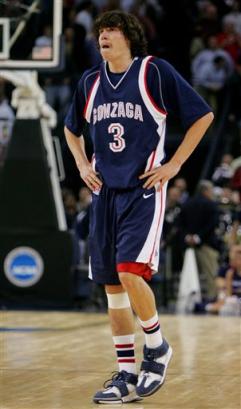
Here are some thoughts and quotes about the dissappointment of Morrison!
"I felt for him," Afflalo said. "He's a great player. There's really no reason for him -- outside of the fact that he's a competitor and wanted to win -- he has no reason to cry.
"He should definitely keep his head up. That's hard to say when you won the game and your opponent lost. But I really just wanted to see him in a good mood."
Though, I can feel for him, now one is going to be smiling after a team comes back from leading the whole game and at one point by 17 points. They are not going to be cracking jokes or smiliing about this one after the game.
"I hate losing, period," an emotional Morrison said afterward. "I mean, anything, especially basketball. Obviously I'm going to let it all hang out. And that's what I did."
Though the Zags were in control the whole game the last few seconds of the game will be recalled by Morrison statements, "I was on the other side and I heard foul," he said. "I assumed they were trying to foul J.P. They didn't call it. That's the way the NCAA Tournament goes. They got the ball and scored."
It sank in immediately in the Gonzaga locker room. There, some 30 minutes after the game was over, those in the room still sat silent. The players in one room, still in their uniforms, not saying a word. Coaches and staff members in another room, sitting in a row of folding chairs, stunned at what they had just witnessed.
Head coach Mark Few couldn't help but think about the what ifs.
"We actually had the ball in the people's hands that we wanted," Few said. "We just had -- gosh -- there were a couple shots that just rimmed out."
Especially from Morrison. One shot, in which Morrison drove down the lane, Few said the All-American makes, "95 out of 100 times." Then there was the fadeaway that Few said he has seen the junior make "a thousand times." And a wide-open 3 by Raivio.
"Either of those shots would have probably effectively ended the game," Few said. "They didn't go. We've been making them all year. That's why we're here. Because guys make those shots."
With this all said and done, the game over...I still like the characert of Morrison admitting the truth...which it all came down too!
Morrison, his head down, his words brief, explained the game's final minutes like this: "I missed the shots."
"This team has been so incredible this entire year, winning games like that and digging 'em out, making big shots, getting that last big stop," Few said. "It just finally caught up to us at the end."
Which is why Morrison laid at center court, his face down, his body numb, his emotions flowing. And why Afflalo felt for his basketball brother. The two had traded words, elbows and passions for the better part of two hours Thursday night. But in the end, they were two human beings.
"They had enough guts as a man to come over in their moment of victory, pick somebody up off the floor," said Morrison. "If I could thank them, I would. That's just a sign of great people and great players.
"It's more than basketball."
Dukes nine straight sweet 16 appearance!
Okay so everyone knows John Wooden had seven straight NCAA titles (10 total) at UCLA might be the hardest college basketball record to break. Which in and of itself is just flat out incredible, and yet still not even close to any other coach or team beating this record.
Though, we need to give our props out to Mike Krzyzewski aka Coach K having nine straight Sweet 16 appearances at Duke ends up being just as difficult to approach.
"What Mike has done is certainly in the same category as what John Wooden did," Syracuse coach Jim Boeheim said. "It's an awfully, awfully impressive thing in today's world."
"What's amazing to me is that they didn't have one bad second-round game," said Pitt's Jamie Dixon.
Though, we need to give our props out to Mike Krzyzewski aka Coach K having nine straight Sweet 16 appearances at Duke ends up being just as difficult to approach.
"What Mike has done is certainly in the same category as what John Wooden did," Syracuse coach Jim Boeheim said. "It's an awfully, awfully impressive thing in today's world."
"What's amazing to me is that they didn't have one bad second-round game," said Pitt's Jamie Dixon.
basketball plays, ncaa basketball plays,
Hear is the inside scoop and breaking down of Gonzaga getting there leader scorer in the nation open even while he is the target for the defenese. What about the West Virginia basketball plays, animation basketball plays for coaches. We have it all right here. Learn how to get a three point shoot, inside play, or other animated basketball plays.
Here are four animated basketball plays broken down to key each offensive set from all the following teams such as Georgetown, Gonzaga, UCLA and West Virginia!
Watch the animated playes brokendown below:
animated basketball plays from Georgetown, Gonzaga, UCLA and West Virginia
Here are four animated basketball plays broken down to key each offensive set from all the following teams such as Georgetown, Gonzaga, UCLA and West Virginia!
Watch the animated playes brokendown below:
animated basketball plays from Georgetown, Gonzaga, UCLA and West Virginia
Monday, March 20, 2006
It came & went! March Madness opening weekend
It came & went! March Madness opening weekend! March Madness was here and gone before you could think of all the great ups and downs! Let us help refresh your memory with a came and went run down of the March Madness this past weekend!
C for Cinderella: Take your pick: 13-seed Bradley from the trendy MVC? Or 11-seed George Mason, which slayed Michigan St. and UNC? They make perennial Cinderella bandwagon team Gonzaga look like "The Man."
A for All Sweet 16 Team
"All-Sweet 16" Team
Craig Smith
22 and 16 in W over Grizzlies
Joakim Noah
Tourney's top stat-stuffer
Brandon Roy
49 pts in 2 Washington Ws
Marcus Williams
UConn PG staves off upsets
Roy Hibbert
Joins G'town big-men legacy
M for Missouri Valley Conference: Two teams in the Sweet 16, the same as the ACC, SEC and Pac-10. And two more than the pathetic Big Ten.
E for Embarrassment: The RPI's top-ranked league, the Big Ten, got 6 NCAA bids. Not one survived the weekend, an epic humiliation.
W for Washington, D.C.: Host of the most intriguing regional semi: 7-seed Wichita St. vs. 11-seed George Mason. Can fans root for both?
A for ahead look to the next round
Atlanta -1 Duke/4 LSU..it's all Duke this one!
2 Texas/6 West Virginia - WVA is looking for revenge from Dec.
Oakland - 1 Memphis/13 Bradley...Bradley's run stops here
2 UCLA/3 Gonzaga - Morrison is going to keep doing it!
D.C. - 1 UConn/5 Washington - UConn to the top
7 Wichita St./11 George Mason - Whoever wins, who are these teams, whoever wins will lose
Minneapolis - 1 Villanova/4 Boston College should be the best sweet 16 game.
3 Florida/7 Georgetown - G'town I think could take this one
N for Naysayers: No one looks like a bigger fool than the "experts" who griped at the last few at-large bids, including Bradley and GMU.
T for Top Seed: Oh the irony, if we paid all this attention to the Cinderellas, only to end up with an unprecedented all-No.1-seed Final Four?
Oakland - 1 Memphis/13 Bradley...Bradley's run stops here
2 UCLA/3 Gonzaga - Morrison is going to keep doing it!
D.C. - 1 UConn/5 Washington - UConn to the top
7 Wichita St./11 George Mason - Whoever wins, who are these teams, whoever wins will lose
Minneapolis - 1 Villanova/4 Boston College should be the best sweet 16 game.
3 Florida/7 Georgetown - G'town I think could take this one
C for Cinderella: Take your pick: 13-seed Bradley from the trendy MVC? Or 11-seed George Mason, which slayed Michigan St. and UNC? They make perennial Cinderella bandwagon team Gonzaga look like "The Man."
A for All Sweet 16 Team
"All-Sweet 16" Team
Craig Smith
22 and 16 in W over Grizzlies
Joakim Noah
Tourney's top stat-stuffer
Brandon Roy
49 pts in 2 Washington Ws
Marcus Williams
UConn PG staves off upsets
Roy Hibbert
Joins G'town big-men legacy
M for Missouri Valley Conference: Two teams in the Sweet 16, the same as the ACC, SEC and Pac-10. And two more than the pathetic Big Ten.
E for Embarrassment: The RPI's top-ranked league, the Big Ten, got 6 NCAA bids. Not one survived the weekend, an epic humiliation.
W for Washington, D.C.: Host of the most intriguing regional semi: 7-seed Wichita St. vs. 11-seed George Mason. Can fans root for both?
A for ahead look to the next round
Atlanta -1 Duke/4 LSU..it's all Duke this one!
2 Texas/6 West Virginia - WVA is looking for revenge from Dec.
Oakland - 1 Memphis/13 Bradley...Bradley's run stops here
2 UCLA/3 Gonzaga - Morrison is going to keep doing it!
D.C. - 1 UConn/5 Washington - UConn to the top
7 Wichita St./11 George Mason - Whoever wins, who are these teams, whoever wins will lose
Minneapolis - 1 Villanova/4 Boston College should be the best sweet 16 game.
3 Florida/7 Georgetown - G'town I think could take this one
N for Naysayers: No one looks like a bigger fool than the "experts" who griped at the last few at-large bids, including Bradley and GMU.
T for Top Seed: Oh the irony, if we paid all this attention to the Cinderellas, only to end up with an unprecedented all-No.1-seed Final Four?
Oakland - 1 Memphis/13 Bradley...Bradley's run stops here
2 UCLA/3 Gonzaga - Morrison is going to keep doing it!
D.C. - 1 UConn/5 Washington - UConn to the top
7 Wichita St./11 George Mason - Whoever wins, who are these teams, whoever wins will lose
Minneapolis - 1 Villanova/4 Boston College should be the best sweet 16 game.
3 Florida/7 Georgetown - G'town I think could take this one
big ten were they even in the tournament
This is really going to hurt, and I am even a big ten fan. But let's just face the facts this one is really going to hurt the Big Ten. I mean really every Big Ten team lost and did not make it into the Sweet Sixteen! Wow!!
Ohio State (No. 2 seed), Iowa (No. 3), Illinois (No. 4) and Michigan State (No. 6) all lost to lower seeds. Wisconsin (No. 9) was buried in round one. At least Indiana (No. 6) gave Gonzaga a tussle before succumbing in the second round.
Bottom line: When hard-working but fairly pedestrian Terence Dials of Ohio State is the Big Ten player of the year, the league lacks star power. Plenty of good players, no great ones. Nobody who could put a team on his back and rise above the round of 32.
And for a league of the Big Ten's stature, that's pretty sad.
This is a very very sad weekend for the Big Ten across the board! Wow, I really think this could hurt for while too.
Ohio State (No. 2 seed), Iowa (No. 3), Illinois (No. 4) and Michigan State (No. 6) all lost to lower seeds. Wisconsin (No. 9) was buried in round one. At least Indiana (No. 6) gave Gonzaga a tussle before succumbing in the second round.
Bottom line: When hard-working but fairly pedestrian Terence Dials of Ohio State is the Big Ten player of the year, the league lacks star power. Plenty of good players, no great ones. Nobody who could put a team on his back and rise above the round of 32.
And for a league of the Big Ten's stature, that's pretty sad.
This is a very very sad weekend for the Big Ten across the board! Wow, I really think this could hurt for while too.
Candace Parker: First woman to dunk in NCAA (twice!) candace parker dunking
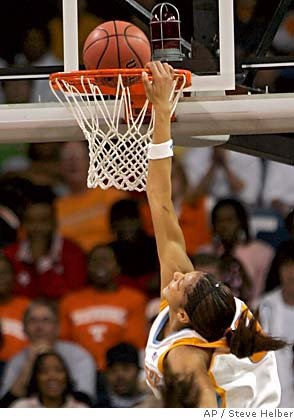
Candace Parker: First woman to dunk in NCAA (twice!)
candace parker dunk, candace parker dunking, candace dunking, candace dunk parker
Did you hear Candace Parker is dunking and the first one dunk to take her to the record books. Candace Parker's one-handed dunk on a breakaway just six minutes into Tennessee's rout of Army on Sunday, Pat Summitt wasn't nearly as impressed.
Yes, the Tennessee coach was happy for Parker, the redshirt freshman who had missed her only other attempt 24 days ago in an SEC game against Auburn. But Summitt was more worried about Parker's health.
"I've seen her do that [dunk] a million times in practice," Summitt said during a phone interview Sunday. "I was just relieved she didn't get hurt."
But when Parker dunked again in the second half -- this time on a give-and-go with Nicky Anosike along the baseline -- Summitt finally succumbed to the excitement, though the coach admits it took awhile to sink in.
"You know, I was focused and I was coaching, and maybe for me, I just didn't understand it for a minute," Summitt said. "When somebody told me they broke into an NBA game [on ABC] to show highlights of Candace dunking, I understood the significance of it.
"Candace's game is a history changer," Summitt added. "There have been people in sports, in our game, who actually change the game. Cheryl Miller changed the game. Diana Taurasi changed the game. Candace is changing the game."
Wow, Candace Parker dunking her way into the history books! What a day this was!!
candace parker dunk, candace parker dunking, candace dunking, candace dunk parker
Wednesday, March 15, 2006
march madness upsets, march madness buzzer beaters, and just more march madness
march madness upsets, march madness buzzer beaters, and just more march madness
1986
#14 Cleveland State 83, #3 Indiana 79
Unbelievably, Cleveland State very nearly made it to the Elite Eight as a 14 seed. The Vikings defeated #6 St. Joseph's in the second round, then lost by a point to #7 Navy in the East Regional Semifinals when David Robinson scored a winning basket with five seconds left. Think about just how shocking that would be if it happened today. UALR didn't leave the tournament quietly, either. It took N.C. State two overtimes to finally get rid of the Trojans in the second round.
#14 Arkansas-Little Rock 90, #3 Notre Dame 83
1987 #14 Austin Peay 68, #3 Illinois 67
Austin Peay needed a 30-foot shot by Richie Armstrong at the buzzer of the OVC final against Eastern Kentucky just to get to the NCAAs. Though the first half ended with five points scored in the final second. Illinois made a pair of free throws with one second left, and after the second make the Governors’ Tony Raye took the ball out from the basket, stepped across the end line with one foot and in one motion threw a one-handed 70-foot pass to Lawrence Mitchell, who caught it, squared up and banked in a three to tie the game at the half. AP continued to hang around in the second half, refusing to go away, and Raye hit the go-ahead free throws with two seconds left in the game. Austin Peay’s Darryl Bedford had an outstanding overall game, as the 6-foot-8 post player hit for 24 points, including five three-pointers while shooting a set shot that bewildered the Illini for its form and for the fact it was coming from a player so big. In the first year of the three-point line, post players didn’t usually shoot from the half-moon line unless their name was Brad Lohaus.
1991 #15 Richmond 73, #2 Syracuse 69
Can you remember this march madness hero's and names Syracuse team that included names like Billy Owens, LeRon Ellis, David Johnson and Adrian Autry. Curtis Blair was the star for the Spiders, introducing himself to the nation with 18 points and six assists
1993 #15 Santa Clara 64, #2 Arizona 61 all we can say is Go Broncos!!
Some more on the side march madness, quick trivia: what did both the 1991 Richmond team and the 1993 Santa Clara team have in common, besides their seeding? Answer: both were taken out in the second round by John Chaney’s Temple Owls, who more than capitalized in both seasons and scored two of Chaney’s four Elite Eight appearances at Temple.
More march madness upsets, march madness buzzer beaters, and just more march madness
1990 #14 Northern Iowa 74, #3 Missouri 71
1999 #14 Weber State 76 #3 North Carolina 74
Weber State's Harold Arceneaux became an overnight sensation with his 36 points
1993 #13 Southern 93, #4 Georgia Tech 78
Often unmentioned about this upset is how Southern was very, very fortunate to receive its seed. It’s very probable that #13 seed they got wasn’t for the Jaguars but for Jackson State. The Tigers were the “in” small school in 1992-93, led by Lindsey Hunter and playing a tortuous non-conference schedule. JSU lost road games to the likes of Western Kentucky, Illinois, Memphis State, Arkansas and Kansas but still rolled through the Southwestern Athletic Conference in the regular season and won 21 of 22 before the conference tourney final. Whether they would deserve an at-large spot if they lost in the SWAC tourney final was the hot debate on Selection Sunday, but the SWAC may have decided that for the committee when it held its title game while the pairings were being announced on TV. The committee gave the winner of the Jackson State/Southern game a #13 seed, obviously an estimation that the Tigers would win as no SWAC team had ever had a seed better than a 15 since the first 64-team field in 1985.If JSU lost, it was headed to the NIT, and that’s exactly what happened. The Jags would’ve more than likely been a 15 or even 16 seed on their own merits-they were only 20-9 in the regular season with four non-Division I wins, even after blowing out Jackson State in the SWAC final.
Final note: Jackson State went on the road in the first round of the NIT and upset none other than Connecticut, before bowing out of that tourney against SW Missouri State.
1989 #14 Siena 80, #3 Stanford 78
Do you remembe this march madness moment...Skinny sophomore Mark Brown busted out on the national scene with a career-high 32 points, the last two the winning free throws with three seconds left. Oh, and the Siena fans were indeed allowed to travel to the game in Greensboro, N.C.
1997 #15 Coppin State 78, #2 South Carolina 65
2001 #15 Hampton 58, #2 Iowa State 57
The NCAA tourney celebration that closest resembles Jim Valvano’s running around after N.C. State won the 1983 title was when Steve Merfeld was being held up by a player, kicking and screaming in jubilation after the Pirates pulled this one off. The final result was a shock, but so was the way it came about. The Pirates were all but dead with seven minutes left in the game. After a close first half, the Cyclones had finally pulled out to a nine point lead and looked ready to put away a tiring Hampton team. But then, Iowa State couldn’t score. ISU had zero points in those final seven minutes. Hampton labored on offense, too, but closed in slowly. Star center Tarvis Williams scored in the lane to finally give them the lead with 6.9 seconds left, and Jamaal Tinsley’s frantic coast-to-coast driving layup came up short, giving the MEAC its second-ever NCAA win and second as a 15 seed.
It's not march madness if we wouldn't say Valpo!!
1998 #13 Valparaiso 70, #4 Mississippi 69
You all know the shot made by Bryce Drew, you remember the reaction of Drew diving Pete Rose-style across the floor-heck, you probably even remember the name Valpo gave the play (“Pacer”, for the uninformed). What you might not remember is Ole Miss could’ve at least been on its way to overtime if star Ansu Sesay had made even one of two free throw attempts with four seconds left in the game. Also often forgotten is the entire second half of this game was classic status-worthy, with three ties and nine lead changes.
Did you know this fact....the Valpo Crusaders were on a streak winning 11 straight wins coming into the NCAAs and wouldn’t lose until a Sweet 16 game against Rhode Island.
1996 #13 Princeton 43, #4 UCLA 41
A story from the Princeton Athletic News best sums up how this one played out: “Princeton did not play the perfect game against UCLA, far from it. The Tigers shot 37% from the field for the game and were just 8 for 27 from three-point range and 1 for 5 from the foul line. They were outrebounded by 10. They were just inches away from being finished off with six minutes to go before Charles O’Bannon missed a breakaway layup.” Princeton also fell behind 7-0 before even the first TV timeout, clearly in awe of UCLA’s athletes. However, the Tigers stayed in it and took a few brief leads in the second half. They were down seven with six minutes to go, though, but the Bruins did not score in those final six minutes of the game. UCLA also had a chance to take the lead with less than a minute left when a controversial intentional foul was called on the Tigers’ Sydney Johnson, but Cameron Dollar missed both free throws.
We can not forget to mention some of these games either though!! Even more...march madness upsets, march madness buzzer beaters, and just more march madness
1988 # 14 Murray State 61, #3 N.C. State 58. Jimmy V’s postseason reputation takes a hit courtesy of Jeff Martin and the Racers, who almost knocked out eventual champion Kansas in the next round.
1990 #12 Ball State 54, #5 Oregon State 53. Gary Payton’s career ends when the Cardinals hit a free throw with no time on the clock to win it.
1995 #14 Weber State 79, #3 Michigan State 72. Jud Heathcote’s coaching career ends in unexpectedly quick fashion with a first round loss to the Wildcats.
1995 #14 Old Dominion 89, #3 Villanova 84 (3 OT). The game that almost never ended finally does when Petey Sessoms and the Monarchs wear out Kerry Kittles, the Wildcats and their incredibly ugly uniforms.
1997 #14 Tennessee-Chattanooga 73, #3 Georgia 70. Mocs take a 20-2 lead early, then have to hold on in their first game of a Sweet 16 run.
2002 #13 UNC-Wilmington 93, #4 USC 89 (OT). All the more impressive considering this happened in the pod system era (or error, more precisely). Trojans were thought to be way too athletic for the Seahawks, but it was UNCW’s Stuart Hare who had the dunk of the tourney, going over three USC players for a mean slam in overtime.
2003 #12 Butler 47 # 5 Mississippi State 46 The hot three point shooting of Butler took them to the sweet sixteen that year!
march madness upsets, march madness buzzer beaters, and just more march madness
1986
#14 Cleveland State 83, #3 Indiana 79
Unbelievably, Cleveland State very nearly made it to the Elite Eight as a 14 seed. The Vikings defeated #6 St. Joseph's in the second round, then lost by a point to #7 Navy in the East Regional Semifinals when David Robinson scored a winning basket with five seconds left. Think about just how shocking that would be if it happened today. UALR didn't leave the tournament quietly, either. It took N.C. State two overtimes to finally get rid of the Trojans in the second round.
#14 Arkansas-Little Rock 90, #3 Notre Dame 83
1987 #14 Austin Peay 68, #3 Illinois 67
Austin Peay needed a 30-foot shot by Richie Armstrong at the buzzer of the OVC final against Eastern Kentucky just to get to the NCAAs. Though the first half ended with five points scored in the final second. Illinois made a pair of free throws with one second left, and after the second make the Governors’ Tony Raye took the ball out from the basket, stepped across the end line with one foot and in one motion threw a one-handed 70-foot pass to Lawrence Mitchell, who caught it, squared up and banked in a three to tie the game at the half. AP continued to hang around in the second half, refusing to go away, and Raye hit the go-ahead free throws with two seconds left in the game. Austin Peay’s Darryl Bedford had an outstanding overall game, as the 6-foot-8 post player hit for 24 points, including five three-pointers while shooting a set shot that bewildered the Illini for its form and for the fact it was coming from a player so big. In the first year of the three-point line, post players didn’t usually shoot from the half-moon line unless their name was Brad Lohaus.
1991 #15 Richmond 73, #2 Syracuse 69
Can you remember this march madness hero's and names Syracuse team that included names like Billy Owens, LeRon Ellis, David Johnson and Adrian Autry. Curtis Blair was the star for the Spiders, introducing himself to the nation with 18 points and six assists
1993 #15 Santa Clara 64, #2 Arizona 61 all we can say is Go Broncos!!
Some more on the side march madness, quick trivia: what did both the 1991 Richmond team and the 1993 Santa Clara team have in common, besides their seeding? Answer: both were taken out in the second round by John Chaney’s Temple Owls, who more than capitalized in both seasons and scored two of Chaney’s four Elite Eight appearances at Temple.
More march madness upsets, march madness buzzer beaters, and just more march madness
1990 #14 Northern Iowa 74, #3 Missouri 71
1999 #14 Weber State 76 #3 North Carolina 74
Weber State's Harold Arceneaux became an overnight sensation with his 36 points
1993 #13 Southern 93, #4 Georgia Tech 78
Often unmentioned about this upset is how Southern was very, very fortunate to receive its seed. It’s very probable that #13 seed they got wasn’t for the Jaguars but for Jackson State. The Tigers were the “in” small school in 1992-93, led by Lindsey Hunter and playing a tortuous non-conference schedule. JSU lost road games to the likes of Western Kentucky, Illinois, Memphis State, Arkansas and Kansas but still rolled through the Southwestern Athletic Conference in the regular season and won 21 of 22 before the conference tourney final. Whether they would deserve an at-large spot if they lost in the SWAC tourney final was the hot debate on Selection Sunday, but the SWAC may have decided that for the committee when it held its title game while the pairings were being announced on TV. The committee gave the winner of the Jackson State/Southern game a #13 seed, obviously an estimation that the Tigers would win as no SWAC team had ever had a seed better than a 15 since the first 64-team field in 1985.If JSU lost, it was headed to the NIT, and that’s exactly what happened. The Jags would’ve more than likely been a 15 or even 16 seed on their own merits-they were only 20-9 in the regular season with four non-Division I wins, even after blowing out Jackson State in the SWAC final.
Final note: Jackson State went on the road in the first round of the NIT and upset none other than Connecticut, before bowing out of that tourney against SW Missouri State.
1989 #14 Siena 80, #3 Stanford 78
Do you remembe this march madness moment...Skinny sophomore Mark Brown busted out on the national scene with a career-high 32 points, the last two the winning free throws with three seconds left. Oh, and the Siena fans were indeed allowed to travel to the game in Greensboro, N.C.
1997 #15 Coppin State 78, #2 South Carolina 65
2001 #15 Hampton 58, #2 Iowa State 57
The NCAA tourney celebration that closest resembles Jim Valvano’s running around after N.C. State won the 1983 title was when Steve Merfeld was being held up by a player, kicking and screaming in jubilation after the Pirates pulled this one off. The final result was a shock, but so was the way it came about. The Pirates were all but dead with seven minutes left in the game. After a close first half, the Cyclones had finally pulled out to a nine point lead and looked ready to put away a tiring Hampton team. But then, Iowa State couldn’t score. ISU had zero points in those final seven minutes. Hampton labored on offense, too, but closed in slowly. Star center Tarvis Williams scored in the lane to finally give them the lead with 6.9 seconds left, and Jamaal Tinsley’s frantic coast-to-coast driving layup came up short, giving the MEAC its second-ever NCAA win and second as a 15 seed.
It's not march madness if we wouldn't say Valpo!!
1998 #13 Valparaiso 70, #4 Mississippi 69
You all know the shot made by Bryce Drew, you remember the reaction of Drew diving Pete Rose-style across the floor-heck, you probably even remember the name Valpo gave the play (“Pacer”, for the uninformed). What you might not remember is Ole Miss could’ve at least been on its way to overtime if star Ansu Sesay had made even one of two free throw attempts with four seconds left in the game. Also often forgotten is the entire second half of this game was classic status-worthy, with three ties and nine lead changes.
Did you know this fact....the Valpo Crusaders were on a streak winning 11 straight wins coming into the NCAAs and wouldn’t lose until a Sweet 16 game against Rhode Island.
1996 #13 Princeton 43, #4 UCLA 41
A story from the Princeton Athletic News best sums up how this one played out: “Princeton did not play the perfect game against UCLA, far from it. The Tigers shot 37% from the field for the game and were just 8 for 27 from three-point range and 1 for 5 from the foul line. They were outrebounded by 10. They were just inches away from being finished off with six minutes to go before Charles O’Bannon missed a breakaway layup.” Princeton also fell behind 7-0 before even the first TV timeout, clearly in awe of UCLA’s athletes. However, the Tigers stayed in it and took a few brief leads in the second half. They were down seven with six minutes to go, though, but the Bruins did not score in those final six minutes of the game. UCLA also had a chance to take the lead with less than a minute left when a controversial intentional foul was called on the Tigers’ Sydney Johnson, but Cameron Dollar missed both free throws.
We can not forget to mention some of these games either though!! Even more...march madness upsets, march madness buzzer beaters, and just more march madness
1988 # 14 Murray State 61, #3 N.C. State 58. Jimmy V’s postseason reputation takes a hit courtesy of Jeff Martin and the Racers, who almost knocked out eventual champion Kansas in the next round.
1990 #12 Ball State 54, #5 Oregon State 53. Gary Payton’s career ends when the Cardinals hit a free throw with no time on the clock to win it.
1995 #14 Weber State 79, #3 Michigan State 72. Jud Heathcote’s coaching career ends in unexpectedly quick fashion with a first round loss to the Wildcats.
1995 #14 Old Dominion 89, #3 Villanova 84 (3 OT). The game that almost never ended finally does when Petey Sessoms and the Monarchs wear out Kerry Kittles, the Wildcats and their incredibly ugly uniforms.
1997 #14 Tennessee-Chattanooga 73, #3 Georgia 70. Mocs take a 20-2 lead early, then have to hold on in their first game of a Sweet 16 run.
2002 #13 UNC-Wilmington 93, #4 USC 89 (OT). All the more impressive considering this happened in the pod system era (or error, more precisely). Trojans were thought to be way too athletic for the Seahawks, but it was UNCW’s Stuart Hare who had the dunk of the tourney, going over three USC players for a mean slam in overtime.
2003 #12 Butler 47 # 5 Mississippi State 46 The hot three point shooting of Butler took them to the sweet sixteen that year!
march madness upsets, march madness buzzer beaters, and just more march madness
More march madness
March Madness is here, and have all the march madness stats for you!
Did you know march madness Who holds the record for the highest career scoring average in NCAA tournament history, with an amazing 41.3 points per game?
Austin Carr
Do you know what college point guard delivered 145 assists during his NCAA tournament career, the all-time record? Bobby Hurley
Lew Alcindor was a member of three NCAA championship teams march madness back at UCLA. In what year did he win his final championship? 1969
This Buckey march madness player from Ohio State star made it to three consecutive NCAA title games from 1960-1962, averaging 16.4 rebounds in his NCAA tournament career? Jerry Lucas
Did you know this March madness player who set a NCAA single-tournament record in 1989 when he scored 184 points over his 6 games? Glen Rice
Did you know march madness Who holds the record for the highest career scoring average in NCAA tournament history, with an amazing 41.3 points per game?
Austin Carr
Do you know what college point guard delivered 145 assists during his NCAA tournament career, the all-time record? Bobby Hurley
Lew Alcindor was a member of three NCAA championship teams march madness back at UCLA. In what year did he win his final championship? 1969
This Buckey march madness player from Ohio State star made it to three consecutive NCAA title games from 1960-1962, averaging 16.4 rebounds in his NCAA tournament career? Jerry Lucas
Did you know this March madness player who set a NCAA single-tournament record in 1989 when he scored 184 points over his 6 games? Glen Rice
Monday, March 13, 2006
March Madness Fun Facts, march madness interesting facts
March Madness Did you know!?!?!
Did you kind March Madness:
The Northeast Conference hasn't won an NCAA Tournament game since 1983 when Robert Morris defeated Georgia Southern in the Opening Round. Since then, the NEC has lost 23 straight decisions.
The Kentucky Wildcats have the most march madness win. Kentucky Wildcats have won 98 games, which is 10 more than North Carolina, which is second on the all-time list. Officially, the NCAA has taken away Kentucky's two wins in 1988.
Did you know that Phog Allen was the oldest head coach to win a march madness national championship He led Kansas to the 1952 championship at the age of 66 years and 4 months. The next oldest was Wooden, who won his final title at UCLA in 1975 at age 64 and 5 months.
LSU Tigers were the lowest seed at No. 11 seed. This makes the lowest seed to March Madness to advance to the Final Four. LSU reached the Final Four in 1986 as a No. 11 seed, with three of its four wins coming by 2 points or in overtime. Dale Brown's Tigers lost in the national semis to eventual-champion Louisville.
Did you know that there was a team that has won the march madness, final four, the national champion when enter the big dance, they had fewer than 20 games. But, the last team who did this great achievement was in 1997 Arizona. Arizona Wildcats gave Lute Olson his first championship in improbable fashion as a No. 4 seed. They entered the tournament with a 19-9 record.
Did you know that the ACC has had at least two teams reach the Sweet 16 every year since 1980. It's been an amazing run for the ACC, and what makes it even more impressive is that the conference was represented by just three teams in 1999 and 2000.
Did you kind March Madness:
The Northeast Conference hasn't won an NCAA Tournament game since 1983 when Robert Morris defeated Georgia Southern in the Opening Round. Since then, the NEC has lost 23 straight decisions.
The Kentucky Wildcats have the most march madness win. Kentucky Wildcats have won 98 games, which is 10 more than North Carolina, which is second on the all-time list. Officially, the NCAA has taken away Kentucky's two wins in 1988.
Did you know that Phog Allen was the oldest head coach to win a march madness national championship He led Kansas to the 1952 championship at the age of 66 years and 4 months. The next oldest was Wooden, who won his final title at UCLA in 1975 at age 64 and 5 months.
LSU Tigers were the lowest seed at No. 11 seed. This makes the lowest seed to March Madness to advance to the Final Four. LSU reached the Final Four in 1986 as a No. 11 seed, with three of its four wins coming by 2 points or in overtime. Dale Brown's Tigers lost in the national semis to eventual-champion Louisville.
Did you know that there was a team that has won the march madness, final four, the national champion when enter the big dance, they had fewer than 20 games. But, the last team who did this great achievement was in 1997 Arizona. Arizona Wildcats gave Lute Olson his first championship in improbable fashion as a No. 4 seed. They entered the tournament with a 19-9 record.
Did you know that the ACC has had at least two teams reach the Sweet 16 every year since 1980. It's been an amazing run for the ACC, and what makes it even more impressive is that the conference was represented by just three teams in 1999 and 2000.
Thursday, March 09, 2006
Did you know March Madness trivia!?!?!
Did you know about March Madness trivia.
That John Wooden would take his wife with him where the team would travel. And did you know that John and Nell Wooden went to every final four march madness together before her death in 1985! Wow, now that's some serious March madness!!
More March Madness Trivia!!
March Madness Trivia time: It's well known that Wooden's UCLA teams won 10 national championships? How many conference championships did they win?
Trivia answer: 19 conference titles in 27 seasons.
That John Wooden would take his wife with him where the team would travel. And did you know that John and Nell Wooden went to every final four march madness together before her death in 1985! Wow, now that's some serious March madness!!
More March Madness Trivia!!
March Madness Trivia time: It's well known that Wooden's UCLA teams won 10 national championships? How many conference championships did they win?
Trivia answer: 19 conference titles in 27 seasons.
Tuesday, March 07, 2006
UNC-Duke Is Most-Watched Men's College Basketball Game In ESPN History
UNC-Duke Is Most-Watched Men's College Basketball Game In ESPN History
Tar Heels defeated Blue Devils on historic night.
March 7, 2006
CHAPEL HILL --- Coverage of North Carolina'S 83-76 win at No. 1 ranked Duke on March 4 set a record for the largest audience for a men's college basketball in ESPN history (more than 26 years), according to Nieslen Media Research.
It was also the fourth most-watched basketball game - men's or women's, college or pro - in ESPN history. The game, which was featured live on both ESPN (traditional coverage) and ESPN2 (from "Above the Rim" camera) as part of the new Full Circle initiative, was seen by an average of 3.78 million households on the two networks combined. Every other ESPN entity also covered the game for Full Circle; however, the Nielsen numbers only reflect ESPN and ESPN2's audience.
Some additional noteworthy facts:
· ESPN's single network coverage garnered a 3.5 rating, the network's highest-rated men's college basketball game in more than four years (Maryland at Duke posted a 3.5 in Jan. 2002). ESPN2's "Above the Rim" coverage generated a 0.7 rating, 40% higher than the network's per-game season average.
· The previous high for a men's college basketball audience was 3.44 million homes for the 1990 NCAA Tournament game between Princeton and Arkansas.
Tar Heels defeated Blue Devils on historic night.
March 7, 2006
CHAPEL HILL --- Coverage of North Carolina'S 83-76 win at No. 1 ranked Duke on March 4 set a record for the largest audience for a men's college basketball in ESPN history (more than 26 years), according to Nieslen Media Research.
It was also the fourth most-watched basketball game - men's or women's, college or pro - in ESPN history. The game, which was featured live on both ESPN (traditional coverage) and ESPN2 (from "Above the Rim" camera) as part of the new Full Circle initiative, was seen by an average of 3.78 million households on the two networks combined. Every other ESPN entity also covered the game for Full Circle; however, the Nielsen numbers only reflect ESPN and ESPN2's audience.
Some additional noteworthy facts:
· ESPN's single network coverage garnered a 3.5 rating, the network's highest-rated men's college basketball game in more than four years (Maryland at Duke posted a 3.5 in Jan. 2002). ESPN2's "Above the Rim" coverage generated a 0.7 rating, 40% higher than the network's per-game season average.
· The previous high for a men's college basketball audience was 3.44 million homes for the 1990 NCAA Tournament game between Princeton and Arkansas.
Thursday, March 02, 2006
graffiti sketches, free galleries, pictures of boys jv basketball, basketball art
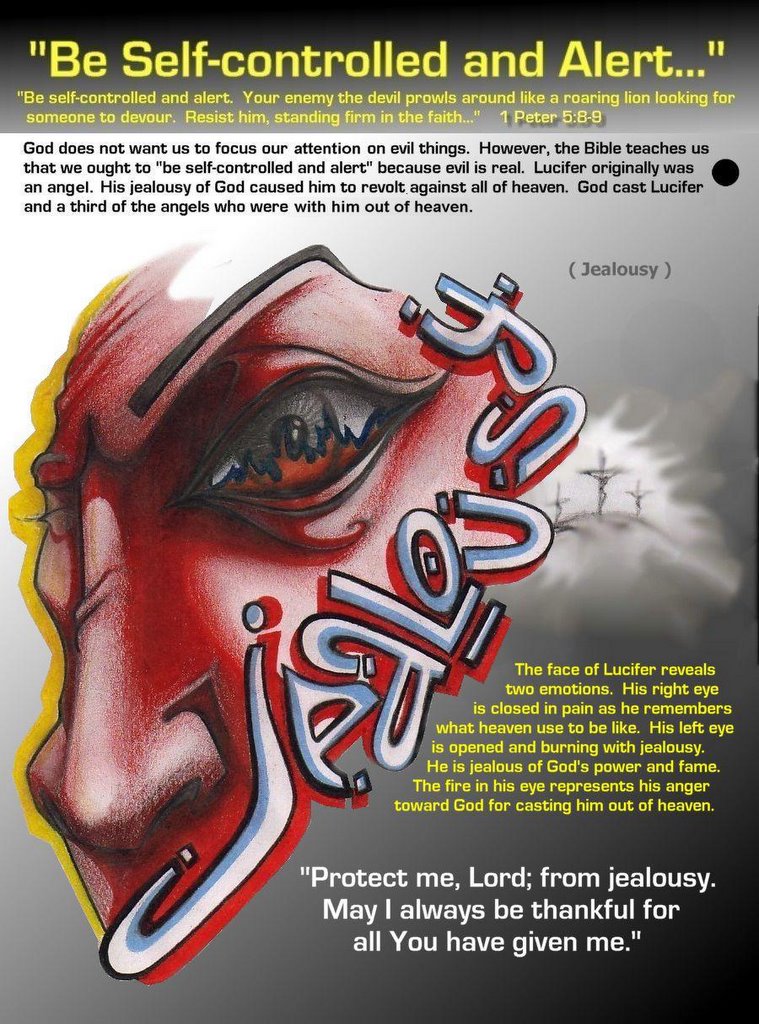 Everything you wanted and more about graffiti sketches, free galleries, pictures of boys jv basketball, basketball art
Check out more great graffiti sketches in our free galleries here at Sacred Hoops!
We have it all we have graffiti sketches, create graffiti sketches, faith graffite, graffiti sketches release
Check it all out at graffitie sketches of free galleries!
We have it all about basketball graffit, graffiti sketches, free galleries, pictures of boys jv basketball, basketball art!
This is some great stuff and so much more so check it all out today!
Also a big thanks to Seth Franco for showing off his great graffiti sketches for this great free galleries all right for free at Sacred Hoops!!
Jason McElwain: Autistic basketball player shines
Jason McElwain: Autistic basketball player shines
 Max sent me an email about this story. You might have seen it alread, but if you didn't- David Edwards sent the video over. " Jason McElwain, an autistic high school basketball team member in Rochester NY, served as the coach's assistant and spirit leader for several years. On the final game of the season the coach let him finally put on a jersey with the rest of the team. Watch what happens then..."
 Pretty amazing stuff!
Read more on the story here.
 "My first shot was an air ball (missing the hoop), by a lot, then I missed a lay-up," McElwain recalls. "As the first shot went in, and then the second shot, as soon as that went in, I just started to catch fire."
"I've had a lot of thrills in coaching," Johnson says. "I've coached a lot of wonderful kids. But I've never experienced such a thrill."
Thursday, February 09, 2006
The Carolina Way: Leadership Lessons from a Life in Coaching
The Carolina Way: Leadership Lessons from a Life in Coaching
A. Part One: Introduction and The Foundations of life skill coach
In the book's first chapter, Smith introduces the reader to his personal background. Smith grew up in the Midwest as the son of a father who was a high school sports coach and a mother who was a teacher. (12) He also briefly reviews his basketball career beginning when he was a player at the University of Kansas and then an assistant coach at the Air Force Academy and the University of North Carolina before accepting the head coaching position at the University of North Carolina in 1961. (13)
Still in the first part of the book, Smith first introduces the reader to the broad details of his philosophy in the second chapter, titled "Play Hard; Play Together; Play Smart." (14) "Hard meant with effort, determination, and courage; together meant unselfishly, trusting your teammates, and doing everything possible not to let them down; and smart meant with good execution and poise, treating each possession as if it were the only one in the game." (15) In this chapter Smith discusses how and why he taught his players his philosophy. (16) Smith recognized that occasionally his teams would have bad luck or face a particularly good team or player on their best night, but he believed that if his teams simply concentrated on those things within their control, then they would generally be successful. (17) Smith provides a more detailed description of his philosophy's three components later in the book in Parts Two, Three, and Four, but this early exposure provides a terrific introduction to Smith's philosophy. In fact, when coupled with the business perspectives in Part One, the authors' point is virtually complete, leaving little but a more detailed discussion to follow in the remaining chapters. The detailed discussions of the philosophies' three components later in the book actually produce one of the book's weaknesses--repetitiveness of concepts and anecdotes. (18)
In these early chapters, Smith comes as close as he ever does throughout the entire book to fully buying into Bell's thesis on coaching and business leadership by stating that
   [the co-author] believes that readers can take things from our
  [basketball coaching] philosophy and benefit from them, and I agree
  that could be the case. Whether you're leading a basketball team, a
  nurses' school, a small insurance office, or a large corporation,
  there are certain common denominators. Honesty, integrity,
  discipline administered fairly, not playing favorites, recruiting
  the right people, effective practice and training, and caring are
  foundations that any organization would be wise to have in
  place.... (19)
Also in these initial chapters Smith identifies one of the weaknesses in trying to apply his coaching philosophy to other business-related industries admitting that, "[m]aybe it was easier for me to lead my players, who wanted to be there, than it is for a business manager to lead members of her sales department who feel they have to be there." (20) The business reality that requires leaders to deal with experienced employees who generally have greater freedom to switch employers than a typical college scholarship athlete has to transfer universities is rarely recognized throughout the book and is one of its fundamental weaknesses.
This part of the book also contains the first of many perspectives written by a former player which sets the theme for all the other perspectives throughout the book. (21) The initial perspective strongly supports the authors' goal for the introduction, which is to establish Smith as a caring, brilliant leader who was interested more in molding each player's individual character than he was in building individual players. (22) Despite the enormous on-court successes of his teams, players, and assistant coaches, it is clear throughout the book that Smith is most proud of the fact that the vast majority of his players developed into outstanding citizens. (23) In fact, ninety-six percent of his players earned their undergraduate degrees, and more than thirty-three percent continued on to earn graduate or professional degrees. (24) There is little doubt that this success is largely based on the lessons he taught his players while at North Carolina. (25) The life lessons discussed in the personal perspectives, the passion with which they are written, and the near reverent awe the writers seem to have for Smith are common threads in the player perspectives sprinkled throughout the book. (26)
The Carolina Way: Leadership Lessons from a Life in Coaching
The Carolina Way: Leadership Lessons from a Life in
D. Final Thoughts
While the book contains several excellent leadership techniques that leaders in various industries should follow, the book does have several weaknesses. First, the foundational source for the book, Smith's basketball program, is not the ideal model upon which to apply the business leadership principles the authors want to develop because most leaders face a much wider variety of challenges than a college athletics coach. Further, except for the owners themselves, business leaders rarely have the autonomy or the authority that a head coach at a major university has to implement their leadership strategies. The coach holds virtually all the "cards" with regard to scholarships and playing time which allows him to influence and motivate players in ways not available to most leaders. (41)
Next, the leadership strategies required for a few hours a day over a six-month basketball season are somewhat different than the longer term strategies needed for a long-term, 365 days a year business. Finally, in the business application section i of each chapter's leadership principal, Bell appropriately uses numerous anecdotes from the corporate world to support each point. However, Bell rarely identifies the specific name of a leader or company in his examples, referring to them only in the abstract such as "a vice president of sales in a pharmaceutical company with large sales force ..., (42) and "I know a CEO that...." (43) These vague references prevent the investigative-minded reader from testing the validity of the Bell's assertions with regard to these anecdotes. (44)
Despite these weaknesses, the authors effectively translate Smith's coaching philosophy and leadership principles to a wide variety of business challenges. The authors cover several helpful leadership concepts such as identifying ways to effectively deal with the varying personalities, backgrounds, and agendas that the people in one's organization bring with them, as opposed to simply implementing a one-size-fits-all bureaucratic management system. Thought-provoking and entertaining, The Carolina Way's readers will be better equipped to handle their own personal leadership challenges. The reader will also come away with a tremendous appreciation and respect for Dean Smith as a leader and coach, but more importantly, one will acquire an appreciation of him as a human being who has positively influenced generations of young men.
The Carolina Way: Leadership Lessons from a Life in Coaching
The Carolina Way: Leadership Lessons from a Life in
D. Final Thoughts
While the book contains several excellent leadership techniques that leaders in various industries should follow, the book does have several weaknesses. First, the foundational source for the book, Smith's basketball program, is not the ideal model upon which to apply the business leadership principles the authors want to develop because most leaders face a much wider variety of challenges than a college athletics coach. Further, except for the owners themselves, business leaders rarely have the autonomy or the authority that a head coach at a major university has to implement their leadership strategies. The coach holds virtually all the "cards" with regard to scholarships and playing time which allows him to influence and motivate players in ways not available to most leaders. (41)
Next, the leadership strategies required for a few hours a day over a six-month basketball season are somewhat different than the longer term strategies needed for a long-term, 365 days a year business. Finally, in the business application section i of each chapter's leadership principal, Bell appropriately uses numerous anecdotes from the corporate world to support each point. However, Bell rarely identifies the specific name of a leader or company in his examples, referring to them only in the abstract such as "a vice president of sales in a pharmaceutical company with large sales force ..., (42) and "I know a CEO that...." (43) These vague references prevent the investigative-minded reader from testing the validity of the Bell's assertions with regard to these anecdotes. (44)
Despite these weaknesses, the authors effectively translate Smith's coaching philosophy and leadership principles to a wide variety of business challenges. The authors cover several helpful leadership concepts such as identifying ways to effectively deal with the varying personalities, backgrounds, and agendas that the people in one's organization bring with them, as opposed to simply implementing a one-size-fits-all bureaucratic management system. Thought-provoking and entertaining, The Carolina Way's readers will be better equipped to handle their own personal leadership challenges. The reader will also come away with a tremendous appreciation and respect for Dean Smith as a leader and coach, but more importantly, one will acquire an appreciation of him as a human being who has positively influenced generations of young men.
Subscribe to:
Posts (Atom)